Quick answer
Activities in Soča Valley range from walking the 500-step descent into Tolmin Gorges (open daily 08:00–19:00, entry 12 EUR) to kayaking the emerald river sections near Bovec, hiking the Soča Trail's 25-kilometer route, and exploring World War I trenches along the former Isonzo Front. Most outdoor operators run from May through September, with water sports peaking in June when snowmelt raises river levels. Arrive between 08:00–10:00 to claim trailheads and gorge platforms before midday crowds.
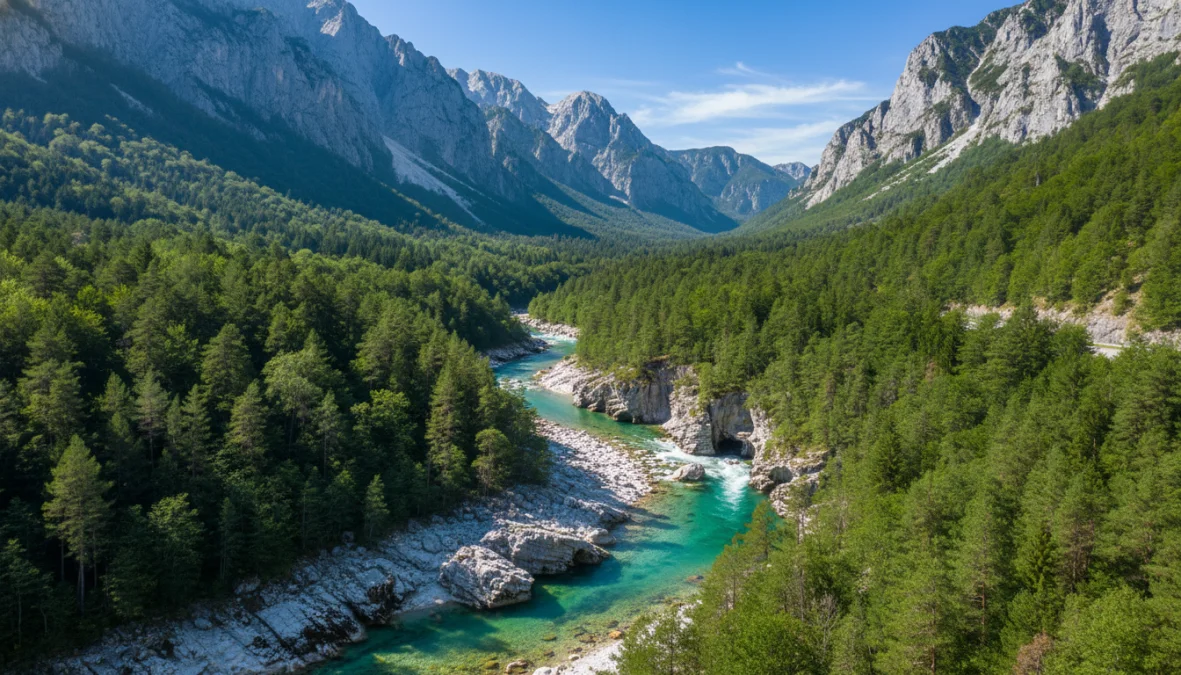
The Soča River maintains its trademark color—somewhere between mint and jade—because of limestone microparticles suspended in glacial meltwater. That geological accident has shaped everything humans do here. Kayakers chase the rapids between Bovec and Kobarid, where the gradient drops just enough to create Class II-III runs without requiring expert-level skills. Rafting companies launch from multiple access points, most offering half-day descents that cover the river's most photogenic bends. The water stays cold—rarely above 13°C even in August—so wetsuits aren't optional. What to do in Soča Valley depends partly on how much vertical gain you're willing to accept. The Soča Trail itself stays relatively flat, tracing the riverbank through beech forest and over suspension bridges, accessible to anyone who can walk five hours at a steady pace. Tolmin Gorges offer drama with less distance: wooden walkways cling to vertical walls where the Tolminka and Zadlaščica rivers converge in a stone chasm 60 meters deep. The 500 steps down go quickly; coming back up takes longer. For higher-altitude options, the trail to Krn Lake climbs 1,300 meters through alpine meadows to a cirque lake that holds snowfields into July. Historical context adds weight to the scenery. The Isonzo Front ran directly through this valley during World War I, and stone fortifications still mark the ridgelines above Kobarid. The Walk of Peace connects battlefield sites, trenches, and ossuaries along a trail system that doubles as a lesson in mountain warfare. The Italian Charnel House in Kobarid holds the remains of 7,014 soldiers—a number that makes the surrounding landscape feel less like a playground and more like contested ground that happened to become peaceful again. Seasonal timing matters more here than in most alpine regions. Spring runoff makes the river too aggressive for beginners, while autumn reduces flow to the point where certain rapids flatten into gentle pools. July and August bring the warmest air temperatures—around 25°C in the valley floor—but also the highest visitor numbers on the Tolmin Gorges walkways. Shoulder-season visits in late May or early September offer a compromise: fewer people, stable weather, and water levels that still allow most activities. The valley's position between the Mediterranean and alpine climate zones means weather can pivot quickly, so waterproof layers matter even when the morning looks clear.
“The Soča maintains its color because of limestone microparticles suspended in glacial meltwater—a geological accident that shaped every human activity along its banks.”
The Best Time To Experience What To Do In Soca Valley Slovenia
The optimal time to visit the Soča Valley is during the shoulder seasons of May, June, September, and October to balance mild weather with fewer visitors. For the most peaceful experience, adhere to the best arrival window of 08:00–10:00 to avoid mid-day crowds and peak heat.
May and June
ModerateMild, 15°C to 22°C
The valley blooms and water levels are high, ideal for rafting and hiking.
July and August
HighWarm, 20°C to 28°C
This period experiences the highest visitor volume and warmest temperatures.
September and October
Low to ModerateCool, 10°C to 20°C
Autumn colors appear and visitor numbers decline significantly.
Weekday mornings
Low—
Arriving early provides the best opportunity to navigate the 500 steps with minimal congestion.
Verdict: The best time to visit is on a weekday between 08:00–10:00 during the months of May or September.
Opening Hours For What To Do In Soca Valley Slovenia
The site operates daily throughout the week, maintaining consistent hours to accommodate visitors planning their day trips.
| Monday | 08:00–19:00 | |
|---|---|---|
| Tuesday | 08:00–19:00 | |
| Wednesday | 08:00–19:00 | |
| Thursday | 08:00–19:00 | |
| Friday | 08:00–19:00 | |
| Saturday | 08:00–19:00 | |
| Sunday | 08:00–19:00 |
Getting There For What To Do In Soca Valley Slovenia
The Soča Valley is located in northwestern Slovenia, accessible from Ljubljana primarily by car or bus. The most direct approach involves driving through the Vršič Pass or utilizing the scenic train route to Most na Soči.
A2/E61 motorway via Jesenice and Kranjska Gora
Direct bus from Ljubljana Avtobusna Postaja to Bovec
Ljubljana to Most na Soči via Jesenice
Key Sights To Include In What To Do In Soca Valley Slovenia
The Soča Valley offers diverse natural landmarks ranging from deep river gorges to high-altitude mountain passes. These points of interest define the geography of the Julian Alps region.
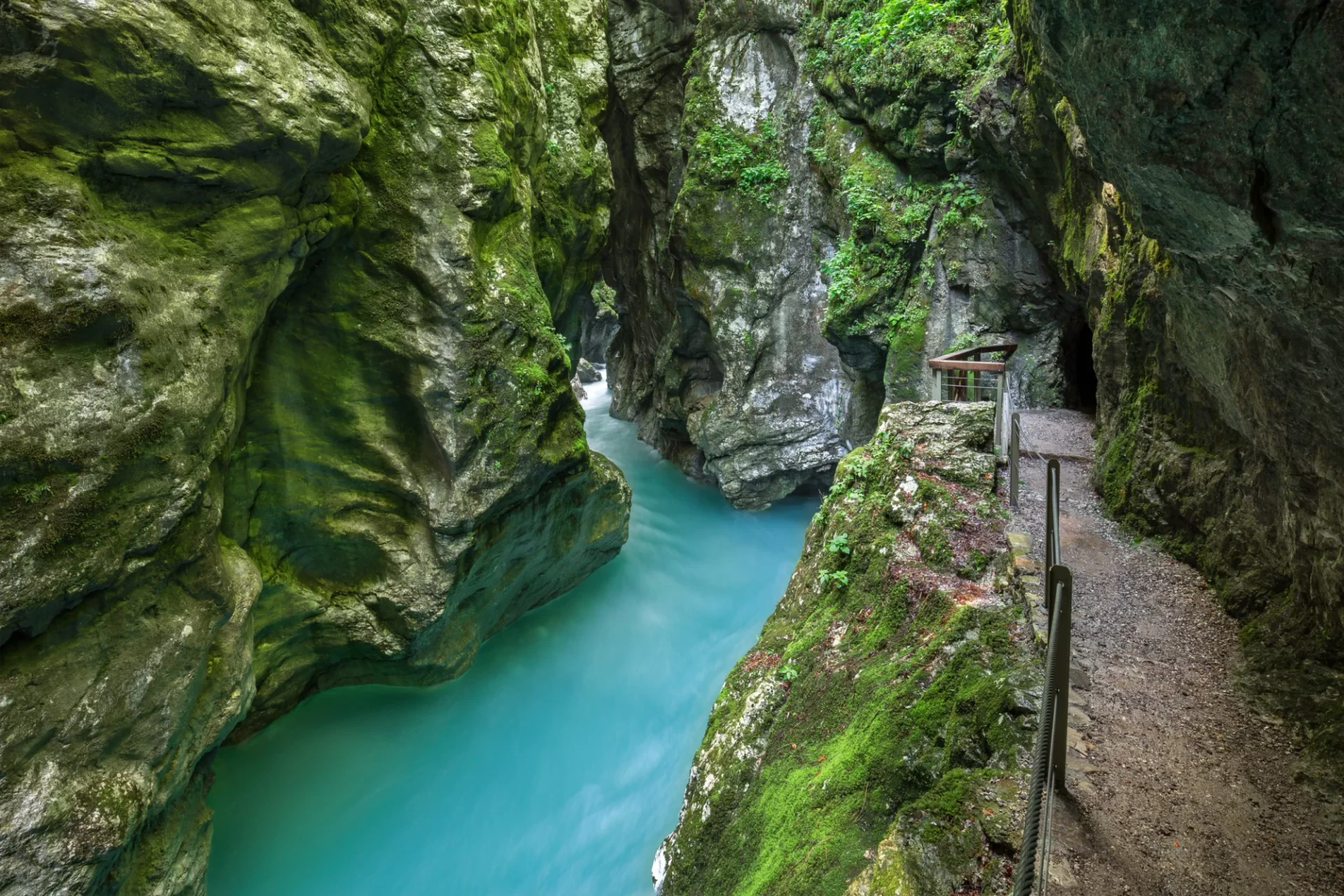
Tolmin Gorges
The lowest and southernmost entry point to Triglav National Park features thermal springs and narrow canyon walls. Navigate the 500 steps early to find quiet observation spots.
Visit before 10:00 to avoid crowds on the walkways.
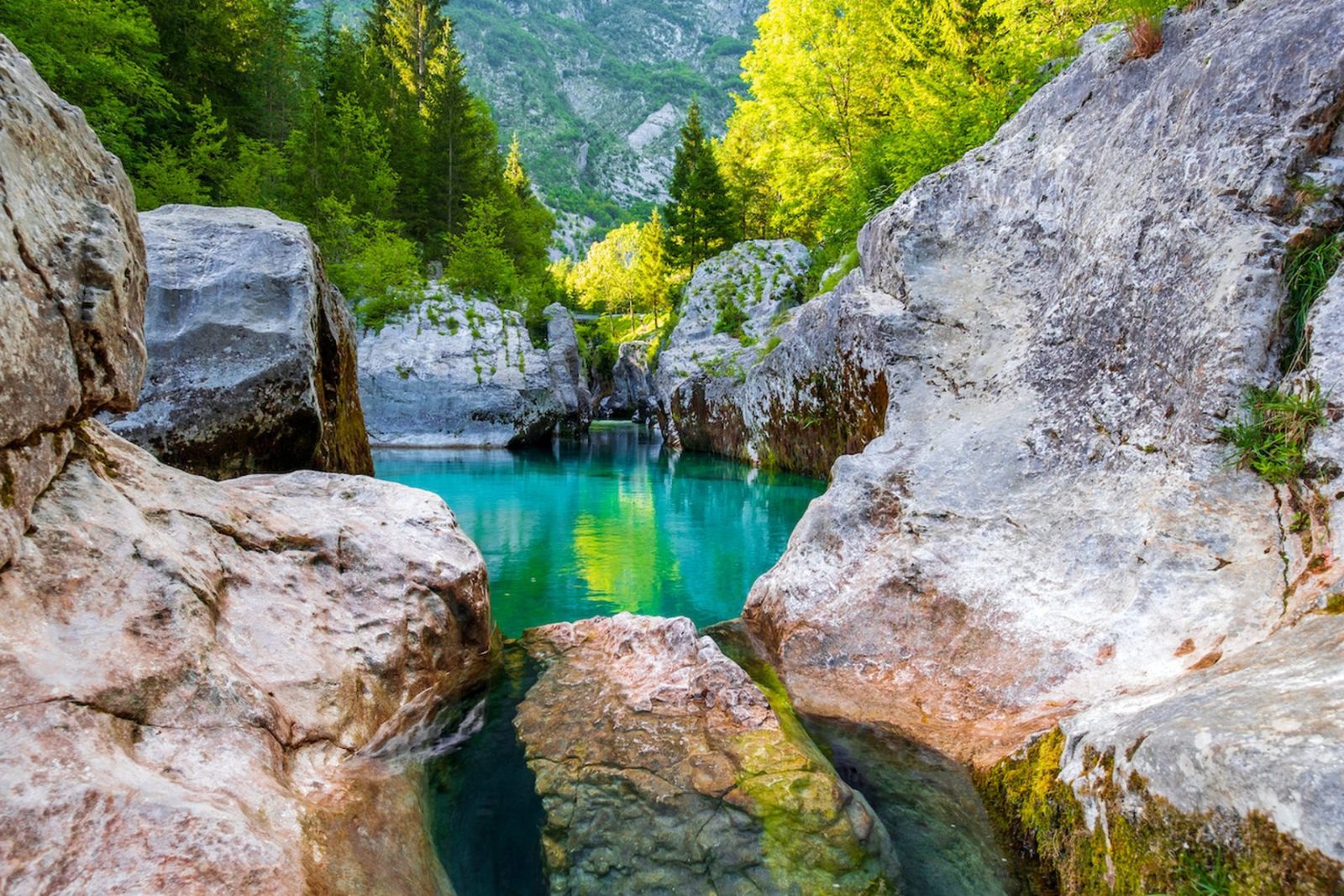
Great Soča Gorge
This section of the river is known for its deep emerald pools and smooth limestone rock formations. Observe the water clarity from the wooden footbridges.
Walk to the second bridge for the best perspective.
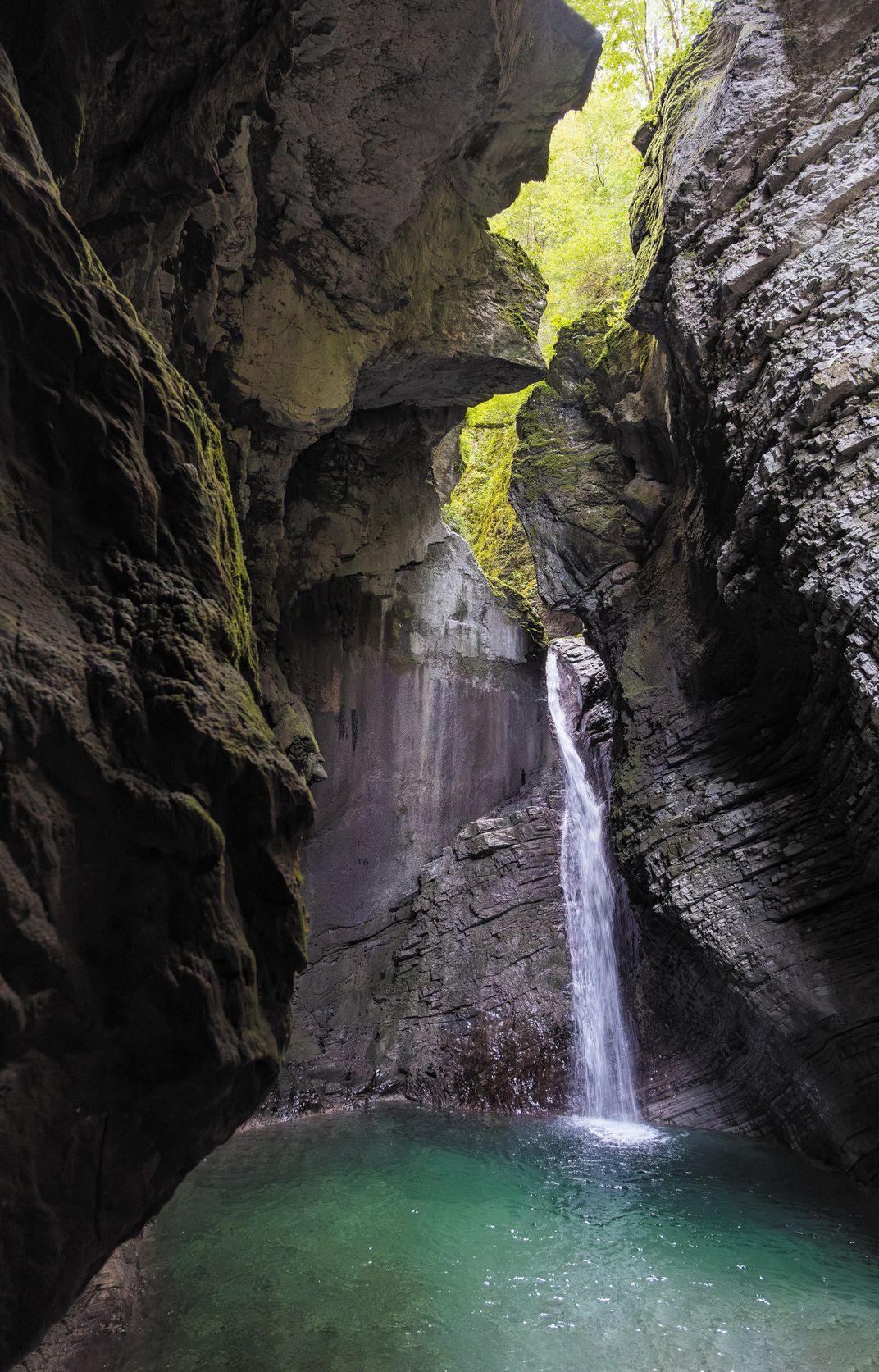
Kozjak Waterfall
Tucked away in a cavern, this waterfall drops into a turquoise pool surrounded by vertical rock faces. The approach involves a well-maintained forest trail.
Bring a wide-angle lens for the hidden cave perspective.
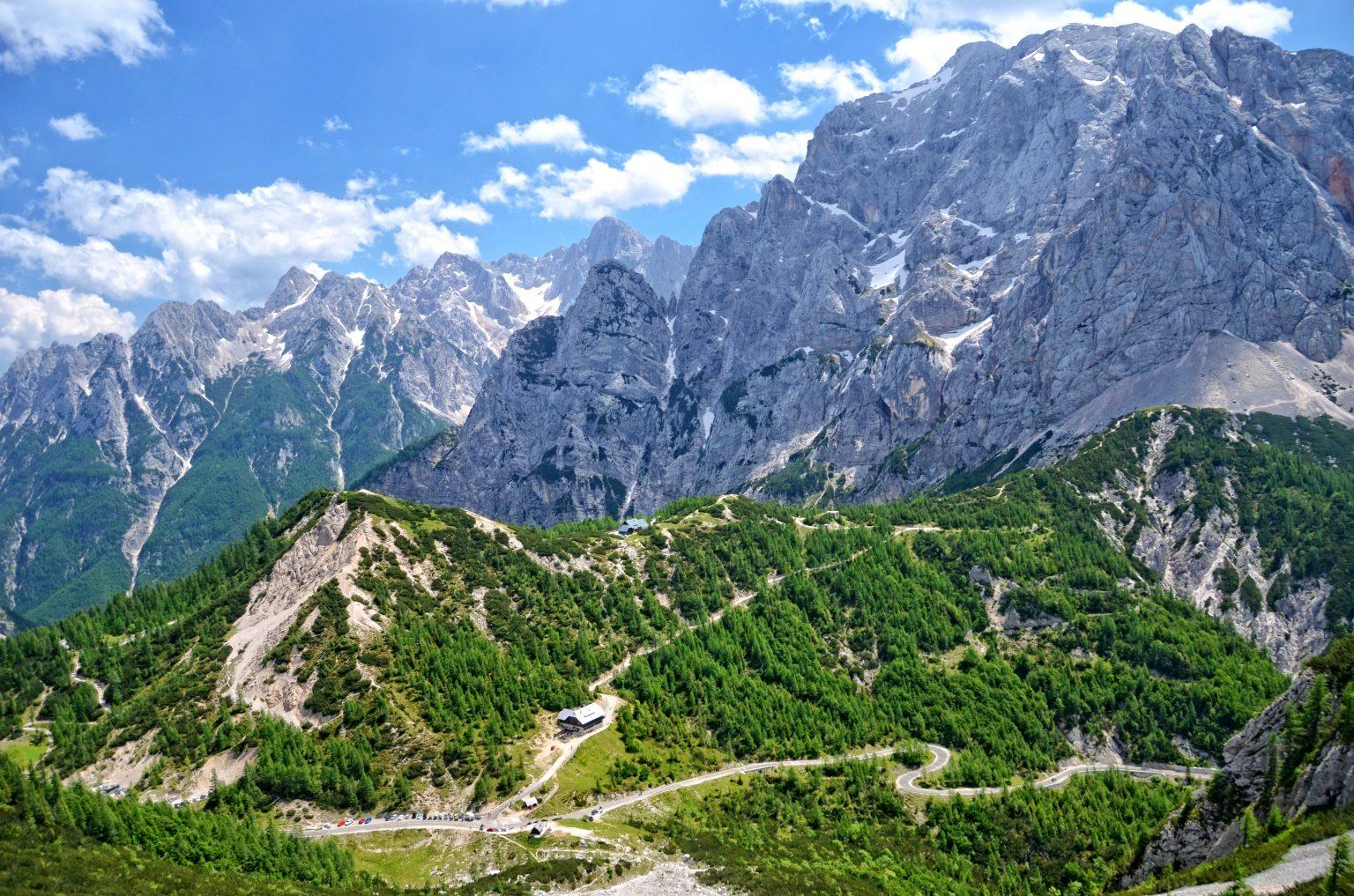
Vršič Pass
As the highest mountain pass in Slovenia, this route provides panoramic views of the Julian Alps. Drive cautiously to reach the various viewpoints along the switchbacks.
Stop at the wooden chapel located near the summit.
Preparation Checklist For What To Do In Soca Valley Slovenia
Soča Valley's gorges, trails, and outdoor activities demand specific gear and moderate fitness.
-
Wear sturdy hiking shoes with grip — The 500-step gorge access includes uneven rock paths and wooden walkways.
-
Bring water and sun protection — Summer temperatures rise quickly, especially on exposed riverside trails.
-
Pack a waterproof layer — Weather changes fast in the Julian Alps, even during summer months.
-
Confirm your fitness for moderate terrain — Expect steep stairs, narrow bridges, and sustained walking over rocky ground.
-
Arrive between 08:00–10:00 for fewer crowds — Mid-morning visits avoid tour groups and afternoon heat.
-
Check trail conditions before remote hikes — Some higher routes close seasonally or after heavy rain.
Check availability
Frequently asked questions about what to do in Soča Valley Slovenia
Everything you need to know about what to do in soca valley slovenia