Quick answer
Soca valley slovenia weather follows a continental alpine pattern with warm summers (June to August averaging 20-25°C) and cold winters with regular snowfall. The valley receives the most rainfall in October and November, while July and August offer the driest conditions. Spring arrives late due to elevation, with snow lingering in higher passes until May.
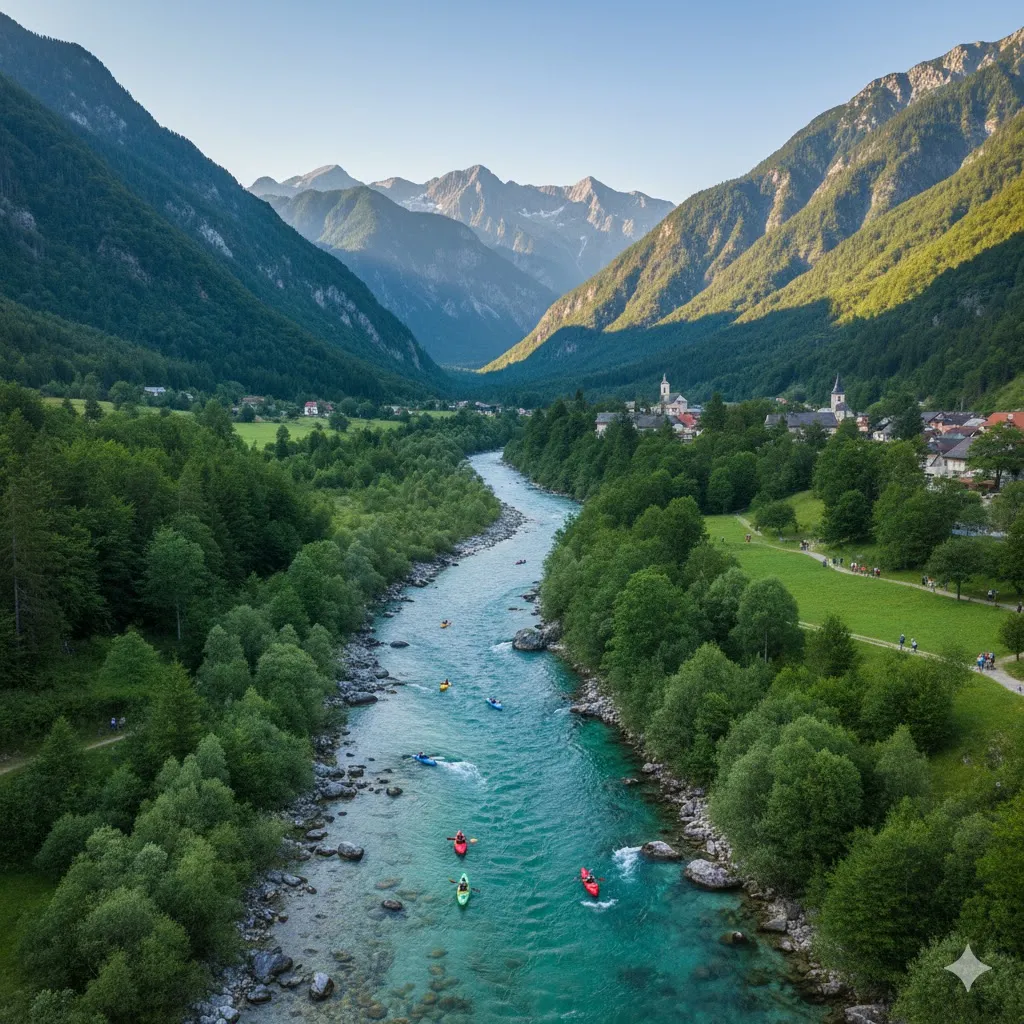
The Soča River runs 138 kilometers through one of Europe's most dramatic alpine corridors, and its weather operates on two overlapping systems: Mediterranean air masses pushing north from the Adriatic and continental alpine patterns dictated by elevation. At Bovec, the valley floor sits at 434 meters, but the surrounding peaks climb past 2,600 meters, creating microclimates that shift within a single day. Summer months deliver the most stable weather window. June through August see daytime highs between 22°C and 27°C in the lower valley, though thunderstorms build over the ridges by mid-afternoon, especially in July. Mornings are reliably clear, which is why rafting operators launch before 11:00 and photographers work the river's turquoise pools at first light. Water temperature in the Soča itself never rises above 12°C even in August, fed by snowmelt and underground springs. Autumn transforms the valley into a color study, but the soca valley slovenia weather guide emphasizes October as the wettest month, with extended rain systems stalling over the Julian Alps. November brings the first persistent snow above 1,500 meters, closing high-altitude trails and the Vršič Pass by mid-month. Winter blankets the upper valley in a reliable snowpack from December through March, turning Bovec into a ski-touring and splitboarding base. Valley-floor temperatures hover near freezing, but inversions can trap cold air for days. Spring is the valley's most deceptive season. March and April look promising on paper, but avalanche risk remains elevated, snowmelt swells the river to unfriendly levels, and trails above 1,200 meters stay buried until May. The wildflower bloom begins in earnest by late May, once the snowline retreats past the tree line. Visitors planning multi-day hikes or via ferrata routes should treat May as a transition month and confirm trail conditions locally. The meteorological data published by Slovenia's Environment Agency shows that late spring—specifically the last two weeks of May—offers a short window of moderate temperatures, manageable river flows, and lower tourist density before the summer season arrives in full.
“The Soča itself never warms above 12°C even in August, fed year-round by snowmelt and alpine springs.”
Understanding Soca Valley Slovenia Weather and Ideal Visit Timing
The most favorable window to visit the Soča Valley is from late spring to early autumn, when temperatures are mild and water-based activities are accessible. For the best experience, prioritize arriving during the recommended best arrival window of 08:00–10:00 to manage visitor density and lighting.
May to June
ModerateCool to mild, 15°C–22°C
Snowmelt provides high water levels for kayaking and rafting. Expect lush green landscapes and fewer visitors than mid-summer.
July to August
HighWarm to hot, 20°C–28°C
This period offers the most stable conditions for hiking and outdoor exploration. Trails and facilities operate at peak capacity.
September to October
Low to moderateMild, 10°C–20°C
Autumn colors appear in the valley as temperatures cool down. Conditions remain pleasant for cycling and photography before the winter season begins.
Weekday mornings
Low—
Arriving between 08:00–10:00 avoids mid-day crowds. Early hours provide clearer lighting for photography along the riverbanks.
Verdict: The best time for a visit is mid-week during May, June, or September, ensuring you arrive between 08:00–10:00.
Soca Valley Slovenia Weather Access and Operating Hours
The Soča Valley remains accessible to visitors at all times, allowing you to explore the natural landscape regardless of the weather conditions. The valley area is open daily throughout the week.
| Monday | 00:00–23:59 | |
|---|---|---|
| Tuesday | 00:00–23:59 | |
| Wednesday | 00:00–23:59 | |
| Thursday | 00:00–23:59 | |
| Friday | 00:00–23:59 | |
| Saturday | 00:00–23:59 | |
| Sunday | 00:00–23:59 |
Navigating to the Soča Valley During Soca Valley Slovenia Weather Changes
The Soča Valley is located in northwestern Slovenia, typically accessed from Ljubljana via the Vršič Pass or the Predil Pass. Travelers should monitor weather reports closely, as heavy rain or snow can lead to road closures on these mountain routes.
A2 motorway towards Jesenice, exiting for Kranjska Gora followed by Vršič Pass
Arriva bus line from Ljubljana Avtobusna Postaja to Bovec
Route via Nova Gorica using the 103 and 102 roads
Top Points of Interest in the Soča Valley for Every Soca Valley Slovenia Weather Type
The Soča Valley offers diverse natural landmarks that remain accessible across varying weather conditions. These points of interest provide opportunities to experience the river and surrounding landscape throughout the year.
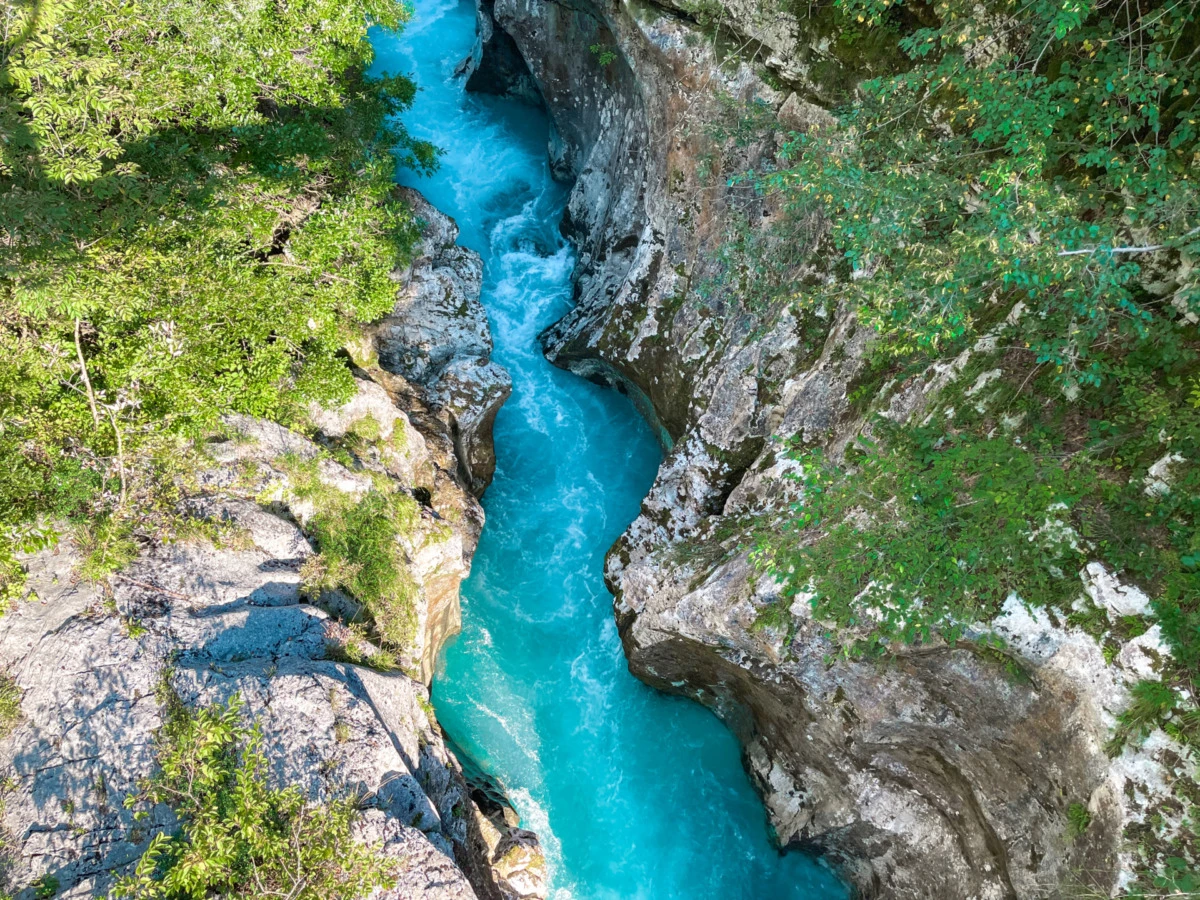
Great Soča Gorge
This deep limestone gorge features turquoise water and narrow passages suitable for photography even on overcast days.
Focus on the riverbed textures during soft, diffused lighting conditions.
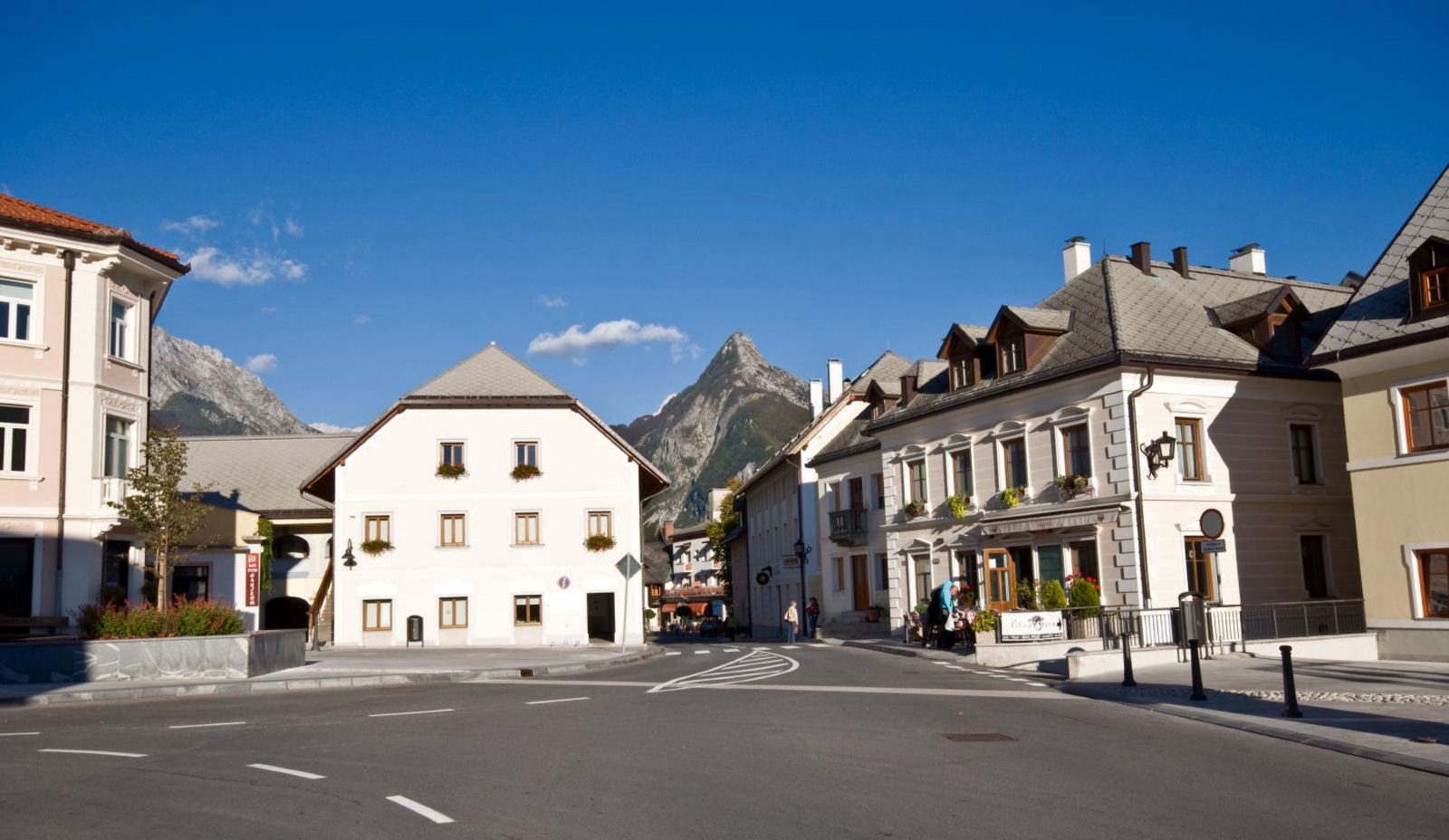
Bovec
As the central hub of the valley, this town serves as a reliable base for visitors regardless of precipitation.
Visit local cafes for shelter during periods of heavy rain.
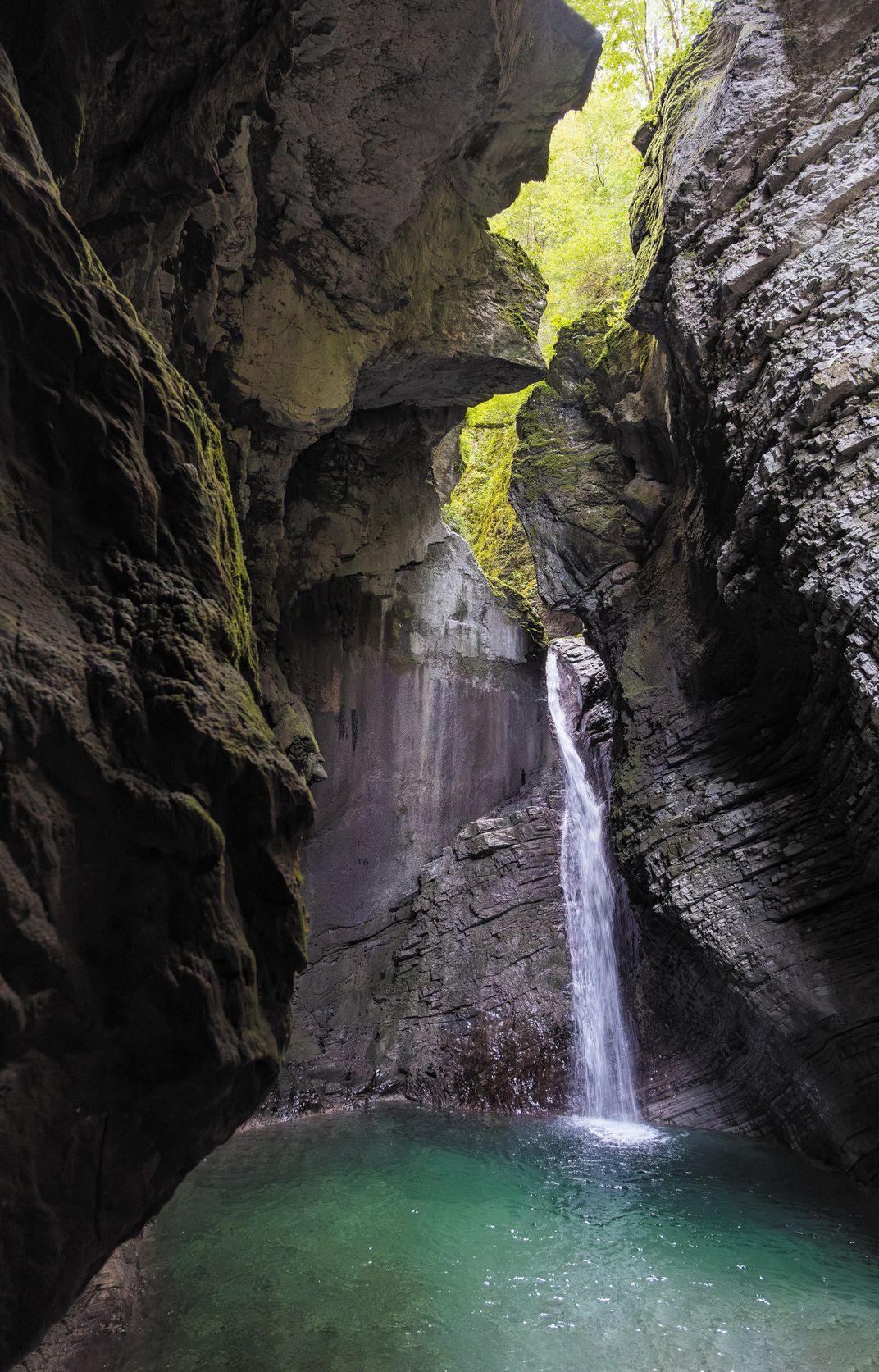
Kozjak Waterfall
Tucked away in a protected cavern, this waterfall remains a consistent attraction during light rain showers.
Use a tripod to capture the cascading water in low light.
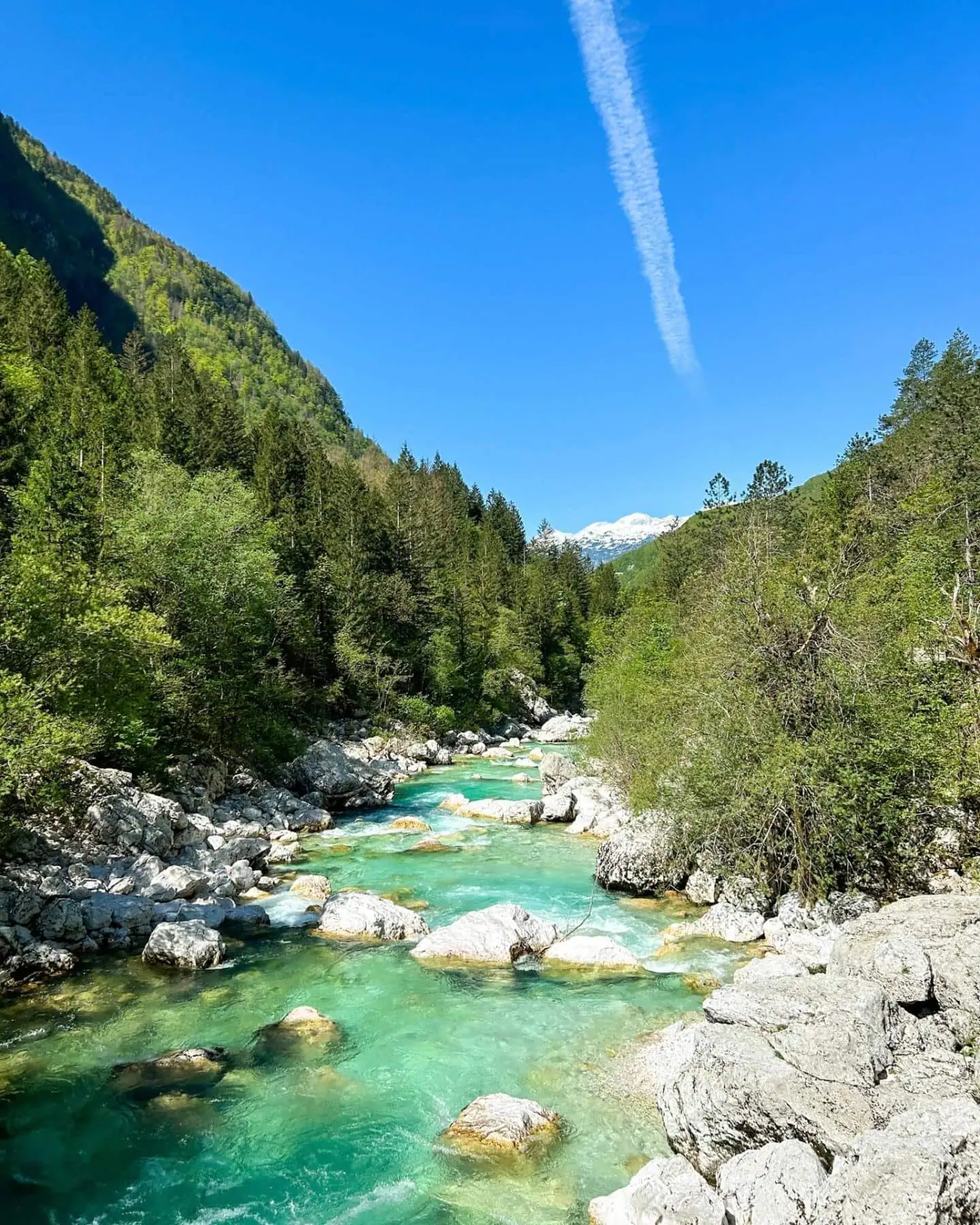
Soča Trail
This long-distance path follows the river and offers multiple entry points for short walks suitable for clear weather windows.
Walk shorter segments near the river to manage exposure if weather changes.
Check availability
Planning your trip: Soča Valley weather and logistics
Everything you need to know about soca valley slovenia weather